




1、配景
最近在搜索Netty和Zookeeper方面的文章时,看到了这篇文章《轻量级漫衍式 RPC 框架》,作者用Zookeeper、Netty和Spring写了一个轻量级的漫衍式RPC框架。花了一些时间看了下他的代码,写的清洁简朴,写的RPC框架可以算是一个浅易版的dubbo。这个RPC框架虽小,可是麻雀虽小,五脏俱全,有乐趣的可以进修一下。
本人在这个浅易版的RPC上添加了如下特性:
项目地点:https://github.com/luxiaoxun/NettyRpc
2、简介
RPC,即 Remote Procedure Call(长途进程挪用),挪用长途计较机上的处事,就像挪用当地处事一样。RPC可以很好的解耦系统,如WebService就是一种基于Http协议的RPC。
这个RPC整体框架如下:
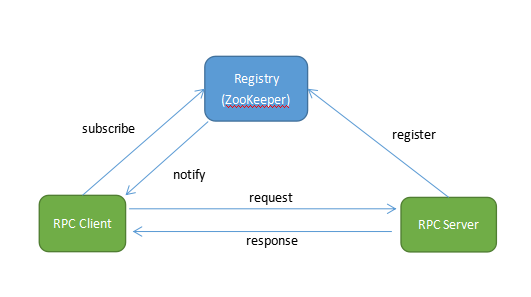
这个RPC框架利用的一些技能所办理的问题:
处事宣布与订阅:处事端利用Zookeeper注册处事地点,
通信:利用Netty作为通信框架。
Spring:利用Spring设置处事,加载Bean,扫描注解。
动态署理:客户端利用署理模式透明化处事挪用。
动静编解码:利用Protostuff序列化和反序列化动静。
3、处事端宣布处事
利用注解标注要宣布的处事
处事注解
@Target({ElementType.TYPE})
@Retention(RetentionPolicy.RUNTIME)
@Component
public @interface RpcService {
    Class<?> value();
}
一个处事接口:
public interface HelloService {

    String hello(String name);

    String hello(Person person);
}
一个处事实现:利用注解标注
@RpcService(HelloService.class)
public class HelloServiceImpl implements HelloService {

    @Override
    public String hello(String name) {
        return "Hello! " + name;
    }

    @Override
    public String hello(Person person) {
        return "Hello! " + person.getFirstName() + " " + person.getLastName();
    }
}
处事在启动的时候扫描获得所有的处事接口及其实现:
@Override
    public void setApplicationContext(ApplicationContext ctx) throws BeansException {
        Map<String, Object> serviceBeanMap = ctx.getBeansWithAnnotation(RpcService.class);
        if (MapUtils.isNotEmpty(serviceBeanMap)) {
            for (Object serviceBean : serviceBeanMap.values()) {
                String interfaceName = serviceBean.getClass().getAnnotation(RpcService.class).value().getName();
                handlerMap.put(interfaceName, serviceBean);
            }
        }
    }
在Zookeeper集群上注册处事地点:
public class ServiceRegistry {

    private static final Logger LOGGER = LoggerFactory.getLogger(ServiceRegistry.class);

    private CountDownLatch latch = new CountDownLatch(1);

    private String registryAddress;

    public ServiceRegistry(String registryAddress) {
        this.registryAddress = registryAddress;
    }

    public void register(String data) {
        if (data != null) {
            ZooKeeper zk = connectServer();
            if (zk != null) {
                AddRootNode(zk); // Add root node if not exist
                createNode(zk, data);
            }
        }
    }

    private ZooKeeper connectServer() {
        ZooKeeper zk = null;
        try {
            zk = new ZooKeeper(registryAddress, Constant.ZK_SESSION_TIMEOUT, new Watcher() {
                @Override
                public void process(WatchedEvent event) {
                    if (event.getState() == Event.KeeperState.SyncConnected) {
                        latch.countDown();
                    }
                }
            });
            latch.await();
        } catch (IOException e) {
            LOGGER.error("", e);
        }
        catch (InterruptedException ex){
            LOGGER.error("", ex);
        }
        return zk;
    }

    private void AddRootNode(ZooKeeper zk){
        try {
            Stat s = zk.exists(Constant.ZK_REGISTRY_PATH, false);
            if (s == null) {
                zk.create(Constant.ZK_REGISTRY_PATH, new byte[0], ZooDefs.Ids.OPEN_ACL_UNSAFE, CreateMode.PERSISTENT);
            }
        } catch (KeeperException e) {
            LOGGER.error(e.toString());
        } catch (InterruptedException e) {
            LOGGER.error(e.toString());
        }
    }

    private void createNode(ZooKeeper zk, String data) {
        try {
            byte[] bytes = data.getBytes();
            String path = zk.create(Constant.ZK_DATA_PATH, bytes, ZooDefs.Ids.OPEN_ACL_UNSAFE, CreateMode.EPHEMERAL_SEQUENTIAL);
            LOGGER.debug("create zookeeper node ({} => {})", path, data);
        } catch (KeeperException e) {
            LOGGER.error("", e);
        }
        catch (InterruptedException ex){
            LOGGER.error("", ex);
        }
    }
}

ServiceRegistry

 联系电话:0512-55008018
 传真:0512-55008018
 邮箱:sales@baoding-soft.com
 地址:昆山市巴城镇学院路828号浦东软件园区1栋4楼A座
 微信交流
微信交流 关注我们
关注我们 首页
首页