




有时需要测试一下某个成果的并发机能,又不要想借助于其他东西,索性就本身的开拓语言,来一个并发请求就最利便了。
Java 中模仿并发请求,自然是很利便的,只要多开几个线程,提倡请求就好了。可是,这种请求,一般会存在启动的先后顺序了,算不得真正的同时并发!怎么样才气做到真正的同时并发呢?是本文想说的点,Java 中提供了闭锁 CountDownLatch, 恰好就用来做这种事就最符合了。
只需要:
package com.test;

import java.io.BufferedReader;
import java.io.IOException;
import java.io.InputStream;
import java.io.InputStreamReader;
import java.io.OutputStream;
import java.net.HttpURLConnection;
import java.net.MalformedURLException;
import java.net.URL;
import java.util.concurrent.CountDownLatch;

public class LatchTest {

    public static void main(String[] args) throws InterruptedException {
        Runnable taskTemp = new Runnable() {

       // 留意,此处长短线程安详的,留坑
            private int iCounter;

            @Override
            public void run() {
                for(int i = 0; i < 10; i++) {
                    // 提倡请求
//                    HttpClientOp.doGet("https://www.baidu.com/");
                    iCounter++;
                    System.out.println(System.nanoTime() + " [" + Thread.currentThread().getName() + "] iCounter = " + iCounter);
                    try {
                        Thread.sleep(100);
                    } catch (InterruptedException e) {
                        e.printStackTrace();
                    }
                }
            }
        };

        LatchTest latchTest = new LatchTest();
        latchTest.startTaskAllInOnce(5, taskTemp);
    }

    public long startTaskAllInOnce(int threadNums, final Runnable task) throws InterruptedException {
        final CountDownLatch startGate = new CountDownLatch(1);
        final CountDownLatch endGate = new CountDownLatch(threadNums);
        for(int i = 0; i < threadNums; i++) {
            Thread t = new Thread() {
                public void run() {
                    try {
                        // 使线程在此期待,当开始门打开时,一起涌入门中
                        startGate.await();
                        try {
                            task.run();
                        } finally {
                            // 将竣事门减1,减到0时,就可以开启竣事门了
                            endGate.countDown();
                        }
                    } catch (InterruptedException ie) {
                        ie.printStackTrace();
                    }
                }
            };
            t.start();
        }
        long startTime = System.nanoTime();
        System.out.println(startTime + " [" + Thread.currentThread() + "] All thread is ready, concurrent going...");
        // 因开启门只需一个开关,所以立马就开启开始门
        startGate.countDown();
        // 等等竣事门开启
        endGate.await();
        long endTime = System.nanoTime();
        System.out.println(endTime + " [" + Thread.currentThread() + "] All thread is completed.");
        return endTime - startTime;
    }
}
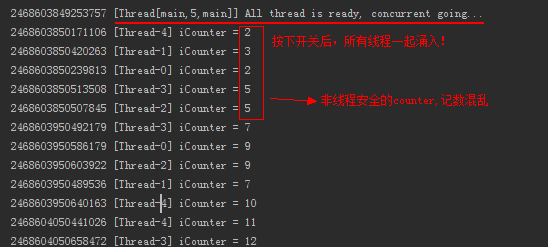
其执行结果如下图所示:
HttpClientOp 东西类,可以利用 成熟的东西包,也可以本身写一个扼要的会见要领,参考如下:
class HttpClientOp {
    public static String doGet(String httpurl) {
        HttpURLConnection connection = null;
        InputStream is = null;
        BufferedReader br = null;
        String result = null;// 返回功效字符串
        try {
            // 建设长途url毗连工具
            URL url = new URL(httpurl);
            // 通过长途url毗连工具打开一个毗连,强转成httpURLConnection类
            connection = (HttpURLConnection) url.openConnection();
            // 配置毗连方法:get
            connection.setRequestMethod("GET");
            // 配置毗连主机处事器的超时时间:15000毫秒
            connection.setConnectTimeout(15000);
            // 配置读取长途返回的数据时间:60000毫秒
            connection.setReadTimeout(60000);
            // 发送请求
            connection.connect();
            // 通过connection毗连,获取输入流
            if (connection.getResponseCode() == 200) {
                is = connection.getInputStream();
                // 封装输入流is,并指定字符集
                br = new BufferedReader(new InputStreamReader(is, "UTF-8"));
                // 存放数据
                StringBuffer sbf = new StringBuffer();
                String temp = null;
                while ((temp = br.readLine()) != null) {
                    sbf.append(temp);
                    sbf.append("\r\n");
                }
                result = sbf.toString();
            }
        } catch (MalformedURLException e) {
            e.printStackTrace();
        } catch (IOException e) {
            e.printStackTrace();
        } finally {
            // 封锁资源
            if (null != br) {
                try {
                    br.close();
                } catch (IOException e) {
                    e.printStackTrace();
                }
            }

            if (null != is) {
                try {
                    is.close();
                } catch (IOException e) {
                    e.printStackTrace();
                }
            }

            connection.disconnect();// 封锁长途毗连
        }

        return result;
    }

    public static String doPost(String httpUrl, String param) {

        HttpURLConnection connection = null;
        InputStream is = null;
        OutputStream os = null;
        BufferedReader br = null;
        String result = null;
        try {
            URL url = new URL(httpUrl);
            // 通过长途url毗连工具打开毗连
            connection = (HttpURLConnection) url.openConnection();
            // 配置毗连请求方法
            connection.setRequestMethod("POST");
            // 配置毗连主机处事器超时时间:15000毫秒
            connection.setConnectTimeout(15000);
            // 配置读取主机处事器返回数据超时时间:60000毫秒
            connection.setReadTimeout(60000);

            // 默认值为:false,当向长途处事器传送数据/写数据时,需要配置为true
            connection.setDoOutput(true);
            // 默认值为:true,当前向长途处事读取数据时,昆山软件开发,配置为true,该参数无关紧要
            connection.setDoInput(true);
            // 配置传入参数的名目:请求参数应该是 name1=value1&name2=value2 的形式。
            connection.setRequestProperty("Content-Type", "application/x-www-form-urlencoded");
            // 配置鉴权信息:Authorization: Bearer da3efcbf-0845-4fe3-8aba-ee040be542c0
            connection.setRequestProperty("Authorization", "Bearer da3efcbf-0845-4fe3-8aba-ee040be542c0");
            // 通过毗连工具获取一个输出流
            os = connection.getOutputStream();
            // 通过输出流工具将参数写出去/传输出去,它是通过字节数组写出的
            os.write(param.getBytes());
            // 通过毗连工具获取一个输入流,昆山软件开发,向长途读取
            if (connection.getResponseCode() == 200) {

                is = connection.getInputStream();
                // 对输入流工具举办包装:charset按照事情项目组的要求来配置
                br = new BufferedReader(new InputStreamReader(is, "UTF-8"));

                StringBuffer sbf = new StringBuffer();
                String temp = null;
                // 轮回遍历一行一行读取数据
                while ((temp = br.readLine()) != null) {
                    sbf.append(temp);
                    sbf.append("\r\n");
                }
                result = sbf.toString();
            }
        } catch (MalformedURLException e) {
            e.printStackTrace();
        } catch (IOException e) {
            e.printStackTrace();
        } finally {
            // 封锁资源
            if (null != br) {
                try {
                    br.close();
                } catch (IOException e) {
                    e.printStackTrace();
                }
            }
            if (null != os) {
                try {
                    os.close();
                } catch (IOException e) {
                    e.printStackTrace();
                }
            }
            if (null != is) {
                try {
                    is.close();
                } catch (IOException e) {
                    e.printStackTrace();
                }
            }
            // 断开与长途地点url的毗连
            connection.disconnect();
        }
        return result;
    }
}
如上,就可以提倡真正的并发请求了。
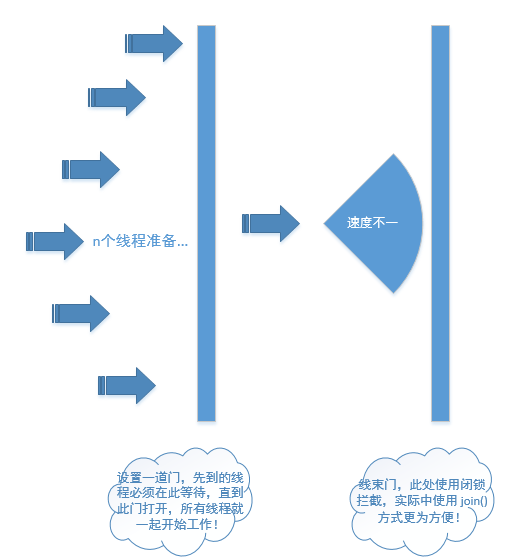
并发请求操纵流程示意图如下:

 联系电话:0512-55008018
 传真:0512-55008018
 邮箱:sales@baoding-soft.com
 地址:昆山市巴城镇学院路828号浦东软件园区1栋4楼A座
 微信交流
微信交流 关注我们
关注我们 首页
首页